It usually happens on a Tuesday morning, right in the middle of a hot run. You are holding sub-micron tolerances, pushing to meet a Friday shipping deadline, and suddenly, you hear it. A low, agonizing groan from the spindle, followed by a vibration that shakes the floorboards, and then—silence.
The machine throws a fault code.
Production stops dead.
That silence is the most expensive sound in an American machine shop.
When your grinding equipment goes down unexpectedly, you aren’t just losing a few hours of work. You are bleeding profit, risking scrapped parts, and putting your hard-earned reputation on the line with your customers. You suddenly lose control over the work you do.
On the flip side, there is nothing quite like the peace of mind that comes from a purring, perfectly dialed-in grinder that spits out flawless finishes day after day, year after year. The difference between the nightmare of a crashed machine and the dream of uninterrupted uptime isn’t luck. It is discipline. It is treating your unrivaled European iron not just as a tool, but as a vocational partner that needs regular care.
The Navy Engine Room Mentality
"Give me six hours to chop down a tree and I will spend the first four sharpening the axe."
That old-school strategic brainpower (that Abraham Lincoln probably didn't say) is exactly what separates the elite machine shops from the ones constantly putting out fires.
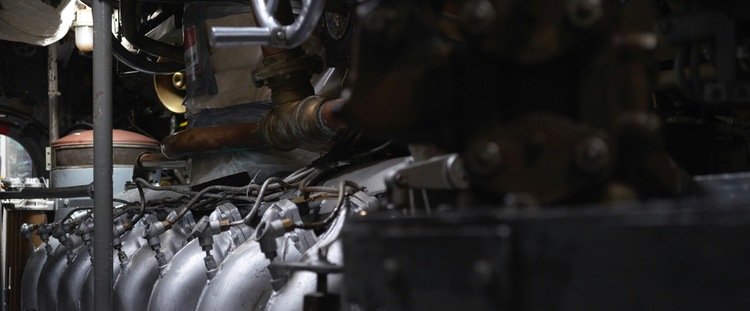
Rick learned this lesson the hard way, long before he ever became one of the American faces of Ecotech Machine Tool. With a Navy machinist background, he spent his early days deep in the engine rooms of military vessels. Let me tell you, when you are five hundred miles offshore and relying on high-pressure systems to keep you afloat, you don't wait for a pump to start smoking before you check the oil. You perform your maintenance. You rely on your training. You protect the equipment, and the equipment protects you.
At Ecotech, we bring that same mindset back to dry land. As machinists at heart, we know that buying a quality-sourced machine like a Robbi grinder is only step one. Step two is keeping it in fighting shape. You shouldn't have to jump through hoops to figure out how to maintain your investment. That is why we have this foundational 5-Point Preventive Maintenance Checklist.
Routine-ize this system, and your iron will outlast your career.
1. Coolant and Filtration: Guarding the Lifeblood
If your machine is the body, the coolant is the blood. And just like human blood, if it gets full of sludge, bacteria, and debris, the whole system goes into cardiac arrest.
Keep It Clean, Keep It Cool
We see shops run the same stagnant coolant until it smells like a high school locker room. That is a massive mistake. Dirty coolant clogs lines, ruins the surface finish of your parts, and prematurely destroys your grinding wheels. Make it a strict routine to check your coolant concentration daily using a refractometer.
Clean your filtration systems, swap out the paper filters before they overflow, and skim the tramp oil off the top. Clean coolant means a clean cut, cooler grinding zones, and less wear on your diamond dressers.
2. Lubrication and Way Maintenance: Protecting the Joints
Iron doesn't heal. If you run a machine with dry ways, you are actively grinding away your own accuracy.
The Enemy is Friction
Your automatic lubrication system is your best friend, but you cannot just blindly trust that it is doing its job. Check the lube reservoir every single week. More importantly, inspect the physical way wipers. These little rubber and brass guards are the only thing stopping abrasive grinding grit from getting between the saddle and the bed. If a wiper is cracked or missing, grit gets in, and your precision goes out the window. Wipe down the exposed ways at the end of every shift. A thin film of fresh oil applied manually before shutting down for the weekend is cheap insurance against rust and wear.
3. Spindle Health and Drive Belts: Listening to the Heartbeat
You don't need a stethoscope to know if a spindle is sick; you just need to pay attention.
Feel the Vibration
The spindle is the absolute heart of your grinding operation. A healthy spindle on a Robbi machine runs incredibly smooth—you can balance a coin on the casting. Before you start cutting chips for the day, turn the spindle on and let it warm up. Put your hand on the housing. Is it running excessively hot? Do you feel a new vibration or hear a high-pitched whine? Catching a failing spindle bearing early can mean the difference between a scheduled rebuild and a catastrophic, expensive crash. While you are at it, check the tension and condition of the drive belts. A slipping belt means inconsistent wheel speed, which translates directly to chatter marks on your workpiece.
4. Alignment and Re-Leveling: Securing the Foundation
You can have the most advanced European grinding technology in the world, but if it is sitting on an uneven floor, it will fight you for every micron.
Gravity Always Wins
Concrete settles. Shop floors shift. Heavy iron moves over time. You might have dialed your machine in perfectly the day it was installed, but a year later, it could be slightly out of level. When a machine is twisted, the geometry of your cuts will suffer, causing bizarre taper issues and premature wear on the linear guides. Make checking the machine's level a semi-annual routine. Use a high-precision master machinist level. If things have drifted, don't ignore it.
This is where our American-supported muscle comes into play. If your machine needs a serious geometric tune-up, Ecotech provides specialized maintenance and re-leveling solutions. We don't just sell you the machine and vanish; we are your partners in keeping it perfectly trammed.
5. The Operator's Daily Walk-Around: The First Line of Defense
You can automate a lot of things in 2026, but you cannot automate the gut instinct of a good machinist.
Trust Your Eyes and Ears
Before a single button is pushed, the operator should walk a full circle around the machine. Look for oil puddles on the floor. Check the air pressure gauges to ensure they are hitting the required PSI. Inspect the grinding wheel for cracks or glazing. Look at the electrical cabinet fans to make sure they are spinning and not choked with dust. This five-minute visual inspection catches 90% of the minor issues before they snowball into major disasters. Empower your team to take ownership of the iron they run. When they feel responsible for the machine's health, your uptime skyrockets.

Take Control of Your Shop Floor
Preventive maintenance isn’t just a chore to check off a list. It is a strategic advantage. It is the tactical execution of keeping your shop autonomous, profitable, and running on your terms. When you commit to this 5-point routine, you eliminate the frantic emergency phone calls and the dreaded shipping delays. You bring joy back to the process of making chips because you know exactly what your equipment is capable of.
You supply the discipline. We supply the expertise.
Even with the best maintenance program in the world, parts wear out and machines eventually need high-level technical support. When that day comes, you aren't dealing with a faceless overseas corporate entity. You are dealing with Rick, Curtis, and the Ecotech Machine Tool staff. You are calling our Atlanta showroom, talking to guys who have the same grit under their fingernails that you do. We troubleshoot the tough issues over the phone, ship local parts, and do whatever it takes to keep your production lines moving.
Is your grinding equipment fighting you instead of working for you?
Don't wait for a catastrophic failure to find out what is wrong. Contact the experts at Ecotech Machine Tool today. Call our Atlanta headquarters (770-279-2001), talk to a seasoned broker, and let’s discuss how our localized support, technical training, and unrivaled European machinery can bulletproof your shop's future. Keep those spindles turning, and let's get back to work.